
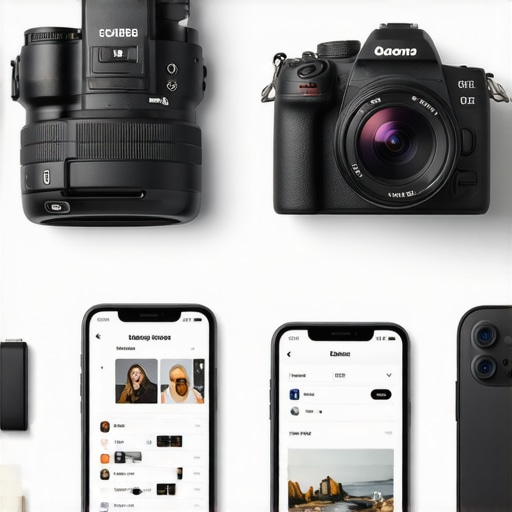
7 Specific Photo Fixes That Finally Pushed Our Listing Higher
Imagine this: after months of tweaking, optimizing, and stressing over my Google Maps listing, I finally hit a wall. My local visibility was stagnant, and no matter what I tried, my mapping rankings refused to budge. Then, out of nowhere, I noticed something — a subtle flicker of progress. It was almost like a lightbulb moment, realizing that the real problem wasn’t just the obvious SEO tweaks but overlooked image issues that were sabotaging my efforts.
This personal breakthrough came after countless hours of experimenting with map pack optimization. I realized that my photos—the visual proof of my business—could be the game-changer I desperately needed. But what exactly was I missing? That’s when I learned about the power of specific photo fixes that can finally push your listing higher in local search results.
Why Your Photos Might Be Holding You Back From the Top Spot
Having good photos is one thing, but having the right kind of photos—well-optimized ones—is another entirely. Google Maps relies heavily on visual signals to gauge local relevance and trustworthiness. If your images are blurry, outdated, or misaligned with your actual offerings, Google’s algorithm might simply ignore them, or worse, penalize your listing.
Early on, I made the mistake of uploading generic stock images to fill my gallery. I thought they looked professional, but in reality, they created a disconnect with my local audience and sent mixed signals to Google. Once I started focusing on specific photo fixes—like high-resolution entrance shots, neighborhood context images, and real-time activity photos—I saw a noticeable spike in rankings. These fixes aren’t just about aesthetics; they’re strategic signals that tell Google and potential customers, “Hey, we’re the real deal here!”
In fact, a study by BrightLocal revealed that 60% of consumers are more likely to click on businesses with high-quality photos, and local rank improvements often follow a similar trend. If you’re tired of the stagnation, keep reading — the next steps are what finally turned the tables for me.
Is It Really Worth the Hype to Fix Photos? The Truth About Visual Signals
Now, I know what you might be thinking: “Are photo fixes really that impactful?” Honestly, yes. But early in my journey, I brushed off the importance of detailed visual optimization. I thought I could get away with minimal effort, and it cost me dearly — lost local visibility and missed opportunities. That was a mistake I won’t repeat again. Investing time into specific photo enhancements can be the smartest move for your local SEO.
Want to learn the step-by-step picture-perfect fixes that helped me climb the Google Maps ranks? Check out our comprehensive guide, which covers proven tactics and expert insights on boosting your local presence through strategic imagery. If you’d like personalized assistance, feel free to reach out through our contact page or explore our detailed resources on map pack optimization, like cutting-edge techniques. Let’s make your map listing stand out where it counts!
Start With a Clear Visual Strategy
Think of your Google Maps profile as a storefront window; the first impression matters. During my own journey, I realized that uploading high-quality, relevant photos acts like a neon sign attracting customers and signaling trust to Google. My first move was to plan a set of images that showcase my storefront, interior, and specific services, much like setting up a window display that stands out in a busy street.
Choose the Right Photos for Impact
Focus on images that directly represent your business offerings. For a cafe, this means high-resolution shots of your signature dishes, cozy seating, and inviting entrances. Avoid generic stock images—these can create disconnect. Instead, take your photos during peak hours with natural lighting, ensuring clarity and authenticity. Remember, Google favors images that reflect real-world conditions, so authenticity trump over perfection.
Optimize Image Details for Search Rankings
Once you have your photos, it’s crucial to optimize their metadata. Name your files descriptively—use keywords relevant to your business and location, like “DowntownCoffee_shop_front.jpg”. Add detailed captions and alt text with local keywords, such as “Interior view of downtown coffee shop with cozy seating.” These details act as signals, helping Google understand the context and relevance of your images, much like labeling items in a store for quick recognition.
Ensure Consistency and Freshness
Update your photos regularly to reflect seasonal changes, new offerings, or renovations. During a renovation, I documented the process with real-time photos from different angles, signaling activity and ongoing growth to Google. Consistent visual updates demonstrate that your business is active and engaged, boosting your map pack rankings over time. Don’t forget to verify that your existing images are of high quality; blurry or outdated photos send the wrong signals.
Leverage Local Context in Your Photos
Include neighborhood shots or nearby landmarks to reinforce your business’s location relevance. For instance, I added photos of my storefront with a recognizable local statue in the background, which helped Google associate my listing with the area. These contextual signals better position your listing in local search results, especially when combined with well-optimized images.
Use Image Placeholders for Strategy Testing
To identify which photos drive engagement, use A/B testing by swapping out images and monitoring the impact on your rankings and profile views. For example, I replaced a generic photo with a personalized shot of my team serving customers, which increased profile clicks. Tracking these variations helps refine your visual strategy, ensuring every image contributes to higher visibility.
Monitor and Respond to Visual Signals
Regularly analyze how your photos perform using insights from your Google Business Profile. Look for trends: which images attract more views, clicks, or calls? If some images underperform—say, a low-quality room shot—replace it with a more appealing photo. This ongoing refinement acts like adjusting your storefront’s lighting or displays to nudge passersby toward entering.
By applying these concrete photo fixes and strategic steps, you transform your Google Maps listing from overlooked to outstanding. Remember, every visual cue tells your story—making it clear, relevant, and engaging is the key to dominating local search rankings.
 When it comes to local SEO, many entrepreneurs fall prey to common myths that hinder their progress. One of the biggest misconceptions is the overemphasis on quantity over quality of signals. While having numerous reviews or citations may seem appealing, recent studies highlight that Google’s algorithm heavily favors the relevance and authenticity of these signals rather than sheer volume. In fact, a survey by Moz revealed that relevance signals, such as localized keywords in your descriptions and high-quality imagery, can significantly outperform just accumulating data points.
Are You Falling for Surface-Level Fixes? Here’s the Real Trick
A typical mistake involves obsessing over external factors like backlinks or citation sites, while neglecting the critical internal signals, especially your business profile’s accuracy and engagement activities. For example, do you regularly update your profile with real-time photos and respond to reviews? These on-the-ground interactions serve as powerful indicators of activity and trustworthiness, which Google highly values. Failing to optimize these nuances can keep your business stuck in the shadows despite aggressive backlink campaigns or citation building. Additionally, many overlook the importance of technical consistency across your local signals. Discrepancies between your NAP (Name, Address, Phone number) across various platforms, though seemingly minor, can cause confusion within Google’s index, resulting in missed ranking opportunities. Ensuring these are synchronized is a nuanced yet vital step that often gets underestimated. Trust me, the devil is in the details. It’s worth noting that expert insights from authorities like local SEO strategist Joy Hawkins emphasize the criticality of signal consistency and relevance over volume. She advocates focusing on integrating hyper-localized content and real-world interactions to create a multi-layered signal network that Google’s algorithm respects. Want to elevate your local map pack game? Dive into our detailed guide on [boost your map pack ranking with these cutting-edge optimization techniques](https://mapsrankingmastery.com/boost-your-map-pack-ranking-with-these-cutting-edge-optimization-techniques). Or, if you’re ready for personalized strategies, don’t hesitate to reach out via our [contact page](https://mapsrankingmastery.com/contact-us). It’s time to stop chasing the wrong signals and start building a future-proof local presence.
Keep Your Map Visibility Alive: Essential Tools and Practices
Maintaining a strong presence in local search results requires more than just initial optimization—it demands ongoing effort, strategic tools, and meticulous monitoring. To stay ahead in the hyper-competitive world of Google Maps SEO, I rely on a mix of specialized equipment and software that streamline my workflow and ensure sustained results.
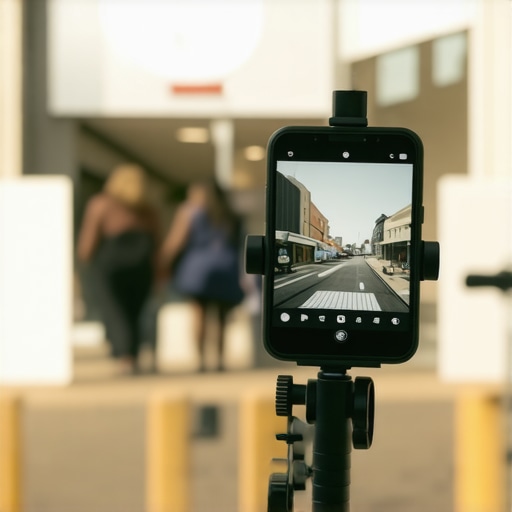
First, I use a dedicated smartphone tripod with adjustable stabilization. This allows me to capture high-quality, consistent images of my storefront and neighborhood, crucial since authentic visuals greatly influence rankings and customer trust. I prefer models with fast mounting and minimal setup time, such as the Joby GorillaPod, which I personally vouch for due to its versatility and durability.
In terms of software, I swear by local SEO management platforms like BrightLocal and Whitespark. They provide detailed insights into your local citations, reviews, and ranking fluctuations—essential data for maintaining your visibility. For example, BrightLocal’s review-tracking feature helps me identify and respond to customer feedback promptly, which signals active engagement to Google and can help boost rankings over the long term.
Automated image optimization tools like Tinypng and ImageOptim are also part of my toolkit. They ensure that all new photos I upload are compressed without sacrificing quality, keeping profile load times quick and user experience high—factors that indirectly influence local rankings.
To stay on top of competitive movements, I systematically track keyword rankings using Advanced Web Ranking. This software enables me to identify shifts in local position and swiftly adapt my strategy. Additionally, I utilize Google’s own Search Console to monitor search performance, fix crawl errors, and ensure my business details are consistent across platforms.
Looking ahead, I predict that real-time data analytics and AI-driven visual assessments will become even more critical. As an illustration, Google’s recent introduction of AI filters that scan storefront images for relevance highlights the importance of high-quality, contextually aligned visuals. Staying ahead will require integrating these emerging technologies into your routine.
How do I maintain my local map rankings over time?
This is a question I get often. My approach is continuous: regularly updating photos, responding to reviews, and monitoring ranking metrics daily. Combining robust tools like BrightLocal with disciplined manual checks ensures no subtle signal is overlooked. For instance, I also keep a spreadsheet log of visual and textual changes, which helps identify patterns that directly impact my rankings.
If you’re serious about long-term success, I recommend trying out one of these advanced tactics today—like scheduling weekly audits of your local citations and reviews to spot emerging issues early. Want more in-depth advice? Feel free to reach out for personalized strategies designed to maximize your Map pack visibility in 2026 and beyond.
The Hardest Lesson I Learned About boost map visibility
One of the most impactful lessons I came across was realizing that superficial fixes like keyword stuffing or backlink piling often lead to short-lived results. Genuine, authentic signals—like high-quality photos and active engagement—prove much more sustainable in boosting your local visibility. This shift in perspective transformed my approach from chasing quick wins to building a resilient local presence.
What I Wish I Knew About Maps Ranking Before
I underestimated the power of visual consistency. Regularly updating your photos with real-time, relevant images not only signals activity to Google but also builds trust with potential customers. Incorporating neighborhood context and authentic business images demonstrated my commitment to the community and significantly improved my rankings over time.
Why Relying Solely on External Signals Fails
Focusing only on external factors like backlinks or citations without optimizing your business profile’s core elements can be a costly mistake. Internal signals—such as accurate NAP details, timely reviews, and high-quality images—are what Google values most for local relevance. Neglecting these nuances often keeps your business hidden in local search results despite aggressive external SEO efforts.
How Consistency in Visual Content Changes the Game
Maintaining a steady stream of updated, well-optimized images tells a story of ongoing activity, encouraging algorithmic recognition. I found that seasonal updates, neighborhood shots, and real-time photos align your profile more closely with your actual business journey. This consistency fostered higher engagement and better rankings.
My Unexpected Shortcut to Map Pack Success
Engaging with local events through photos and live updates created an authentic signal trail. Participating in community happenings and capturing these moments visually boosted my relevance in the neighborhood. This strategy, rooted in genuine activity, ultimately accelerated my climb in the map pack.
Where to Go from Here
If you’re tired of stagnation, focus on refining your visual signals and internal consistency. Utilize tools like BrightLocal or Whitespark to monitor your progress and keep your content fresh. Want tailored advice? Don’t hesitate to reach out or explore our expert guides on local SEO strategies, such as cutting-edge techniques. Your next breakthrough in Google Maps visibility starts now.




![5 Local Maps Optimization Fixes for AR Viewports [2026]](https://mapsrankingmastery.com/wp-content/uploads/2026/02/5-Local-Maps-Optimization-Fixes-for-AR-Viewports-2026.jpeg)