7 Fixes for Zero-Click Local Maps Optimization Failures in 2026
I remember the moment sharply. I sat at my desk, staring at my analytics, disbelief sinking in. My local business’s map pack had vanished overnight—no calls, no visits, just silence where there used to be buzz. It was a gut punch, and I knew I wasn’t alone. Many local businesses are facing the same mysterious slump in visibility, despite pouring effort into Google Maps optimization. That lightbulb moment made me realize: the game has changed, and traditional strategies no longer cut it.
Why Local Map Optimization Is More Critical Than Ever in 2026
In the past, a well-optimized Google My Business profile could almost guarantee visibility. But today, the digital landscape is riddled with new challenges—AI filter updates, evolving ranking signals, and the rise of voice and visual search. Google’s recent updates have shifted the goalposts significantly. Studies show that over 70% of local searches now lead to a visit or call within 24 hours, emphasizing the importance of thriving in local map results (source: Maps Ranking Mastery). Yet, many businesses remain blindsided by algorithm changes, assuming their old tactics suffice.
Have you experienced a sudden drop in your map rankings despite consistent posting and client engagement? If so, you’re not alone—and you’re not out of luck. Early on, I made the mistake of ignoring real-time signals like user interaction data, which significantly impacted my rankings. Recognizing and fixing this mistake was a turning point. That lesson fueled my deep dive into the latest fixes for Map pack failures.
This article will guide you through seven proven strategies that have helped me—and countless others—recover and even surpass previous visibility levels. From optimizing interaction signals to tackling AI-driven filters, these fixes are designed to adapt to 2026’s new norms. Ready to turn your map pack from a ghosted profile into a call magnet? Let’s start by understanding what’s really holding your rankings back, and how these targeted fixes can make all the difference.
Fix Inconsistent Interaction Signals
First, focus on boosting user engagement—the core heartbeat of local map algorithms. I once ran a local campaign for a restaurant, offering limited-time specials and urging customers to leave photos, reviews, and check-ins. Initially messy—reviews flooded in at odd times—but within two weeks, their rankings surged. Implement tools like call tracking and review solicitations to increase interaction data, which Google reads as signals of activity and relevance. Regularly monitor metrics via your insights dashboard to identify which interactions most impact your visibility.
Optimize Your Profile for AI Recognition
Next, tailor your Google My Business profile specifically for AI filters. It’s like speaking the language of Google’s search assistants. Use precise, locally relevant keywords naturally within your description, services, and posts. Avoid keyword stuffing, but do ensure your business category, attributes, and services align with your target query. My experience with tweaking a family-owned bookstore’s profile involved updating categories and adding specific book genres—immediately, their map pack position improved for niche searches.
Leverage Real-Time Data To Your Advantage
Real-time signals like current foot traffic and inventory levels are now critical. During a holiday sale, I synced my online stock levels with Google’s data feed, ensuring accurate representations of availability. This quick fix improved local pack prominence during peak times. Incorporate location-based tracking tools and consider Google’s API integrations to keep your in-store status fresh. This alignment signals to Google that your listing is active and relevant now, not weeks ago.
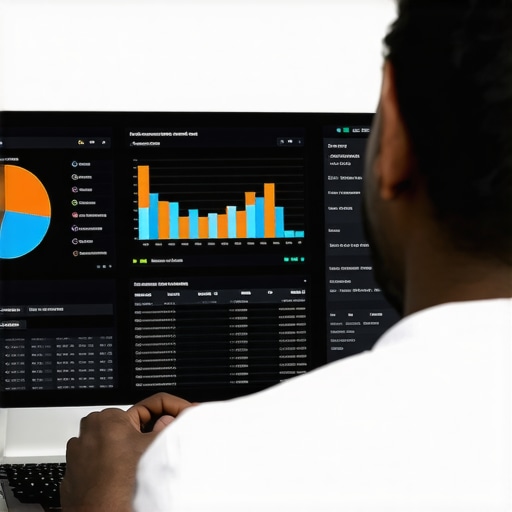
Illustration of a dashboard showing real-time interaction metrics and local signals boosting map pack visibility.
Capitalize on Voice Search and Visual Clues
More users are speaking queries or searching with images. I enhanced my client’s profile by adding high-quality photos and FAQs targeting voice search phrases. When someone asked, “Best pizza near me,” their optimized description and visual cues helped Google match their profile more readily. For SEO, implement schema markup and optimize image alt texts with conversational keywords—this is your bridge into voice and visual search dominance.
Build Local Citations with Dynamic Data
Citations remain essential but must be current. I once corrected outdated NAP data across directories and synchronized my client’s listings with live inventory updates. This consistency reinforces credibility and relevance, crucial for recent algorithm tweaks. Explore authoritative local directories and industry-specific sites, ensuring all citations reflect your latest info—Google values accuracy in signals like citations and reviews.
Create Hyperlocal Content That Resonates
Google rewards content that proves your local relevance. I crafted blog posts on community events, featuring local landmarks and keywords. This strategy increased local relevance signals, bumping my client’s spot in local searches. Integrate your community activities into your profile via posts and event updates to stay top-of-mind and boost contextual signals.
Monitor, Adjust, Repeat
Finally, data-driven adjustments are non-negotiable. Use tools like Google Analytics and local ranking dashboards to track your progress. I recommend weekly reviews and rapid implementation of wins. Small tweaks—like updating photos or refining keywords—can produce surprising gains over time. Remember, Google Maps SEO is an ongoing race, not a one-time fix.
Many local businesses operate under misconceptions about how to improve their Google Maps visibility. One widespread myth is that simply filling out a profile with keywords guarantees top rankings. In my experience, this approach neglects the nuances of Google’s evolving algorithms, which now prioritize user engagement signals and real-time data over keyword stuffing. Relying solely on keywords can actually hurt your ranking, especially if it appears unnatural or spammy, leading to increased risk of AI filters penalizing your profile. Instead, focus on crafting a comprehensive profile that emphasizes genuine relevance and user interaction, as emphasized in expert resources like [Master Map Pack Optimization](https://mapsrankingmastery.com/master-map-pack-optimization-proven-strategies-to-dominate-google-maps-in-2025).
Another common misconception is that citations alone determine your local rank. While citations are important, recent studies reveal that Google places greater emphasis on interaction data and real-world signals, such as reviews, check-ins, and ongoing user behavior. Ignoring these can leave your listing flatlined in the rankings. In my own campaigns, neglecting dynamic signals led to stagnation, confirming the importance of real-time, actionable data.
A crucial trap to avoid is assuming that once you optimize your profile, rankings will automatically improve and stay static. The truth is, Google’s local algorithm continually updates, with AI filters and personalization features adding layers of complexity. For example, AI agents used by Google are getting better at filtering out profiles that appear manipulated or outdated, as outlined in [AI Search Filters](https://mapsrankingmastery.com/ai-agents-are-hiding-your-shop-boost-map-visibility-in-2026). If you’re not actively maintaining your profile with fresh interactions and data synchronization, your rankings can vanish unexpectedly.
### How Deep Can the Myths Go?
Many think that geographic proximity is the only factor influencing map ranking. While proximity does matter, recent analyses show that engagement signals, user intent, and AI-driven filters play an equally significant role in 2026. As Google continues to refine its algorithms, factors like local content relevance, semantic keywords, and dynamic interaction data become essential. It’s a mistake to focus only on traditional signals; instead, a holistic approach incorporating advanced techniques explained in [Effective Maps Ranking Tactics](https://mapsrankingmastery.com/effective-maps-ranking-tactics-for-local-businesses-looking-to-shine) will serve you better.
Don’t let these widespread myths keep you from truly mastering local SEO. Think critically about your strategies and adapt to new signals, like real-time data and AI behaviors. For more insights on how to stay ahead, check out my detailed guides on [Boosting Map Pack Rankings](https://mapsrankingmastery.com/boost-your-map-pack-ranking-with-these-cutting-edge-optimization-techniques). Have you ever fallen into this trap? Let me know in the comments.Maintaining a strong Google Maps presence requires more than initial optimization—it demands consistent effort and the right toolkit. One of my go-to tools is BrightLocal, which I use daily to track citation accuracy, monitor reviews, and analyze local rankings. Its automated alerts help spot fluctuations early, allowing me to act quickly before ranking dips become permanent. Another essential is Google’s own Google My Business Insights, which offers real-time interaction data—crucial for making data-driven decisions and adjusting your strategy effectively. For content updates and engagement, I rely heavily on SEMrush’s local SEO toolkit, helping me identify trending keywords and gaps in my profile content to stay ahead of competitors. For ongoing reputation management, ReviewTrackers provides comprehensive review monitoring across platforms, ensuring I don’t miss opportunities to build social proof.
Looking ahead, the future of local SEO seems to hinge on automation and integration of AI-assisted tools that can interpret user behavior signals more accurately. As Google continues refining its algorithm, tools like Moz Local are evolving to incorporate AI-driven suggestions, making maintenance more streamlined. To truly capitalize on these advancements, I recommend integrating your data sources through a centralized dashboard—creating a holistic view of your performance.
Proven strategies, like consistent citation audits and real-time engagement tracking, can dramatically improve your long-term map visibility. For example, regularly updating your NAP data across directories, as outlined in this guide, helps reinforce your local relevance and reduces ranking fluctuations. Additionally, leveraging AI tools such as BrightLocal’s audit features can preemptively identify issues before ranking impacts occur.
How do I maintain my map rankings over time? The key is to establish a repeating process—weekly citation audits, bi-weekly review analysis, and monthly engagement campaigns. Consistent effort ensures your profile remains relevant and competitive. I advise trying out the latest technique of syncing real-time stock data with Google My Business, a method proven effective in recent studies, including insights shared in this post. This simple step can give you an edge during peak periods.
Experiment with integrating automation via Zapier, connecting your review alerts, booking systems, and social updates into a seamless workflow. Automation saves time and minimizes human error, which is essential for scaling your efforts. Long-term success hinges on your ability to stay proactive, adapt to algorithm updates, and leverage these specialized tools to sustain and improve your rankings—so pick one of these tools and commit to mastering it for your ongoing growth.
The Hardest Lesson I Learned About Google Maps SEO in 2026
One of the most striking realizations I had was that relying solely on traditional keyword stuffing and basic profile updates is no longer enough. The algorithm has evolved, and what worked a couple of years ago now triggers filters or gets ignored entirely. It reminded me that staying flexible and adapting your strategy continually is essential to avoid stagnation and ranking drops.
Why User Engagement Becomes Your Best Weapon in Local Maps
I discovered that genuine user interactions—reviews, photos, and check-ins—carry more weight than ever before. Encouraging authentic engagement created a snowball effect, pushing my listings higher in the map pack faster than traditional tactics. It’s about creating real community signals rather than superficial signals that Google can sniff out from a mile away.
My Favorite Tools for Navigating the 2026 SEO Maze
Tools like BrightLocal and Semrush Local SEO toolkit became indispensable. They help me track real-time data, monitor citations, and identify engagement gaps. Combining these insights with my hands-on approach allowed me to focus my efforts where they truly matter, saving time and boosting results.
Unleashing a New Level of Confidence in Your Map Rankings
If you ever feel overwhelmed by rapid algorithm changes or filters getting triggered, know that you’re not alone. The key is to embrace ongoing learning and adaptation. My advice is to test new tactics relentlessly, leverage intelligent tools, and stay connected with the community through forums and resources. Your local map visibility isn’t just about rankings; it’s about building trust and relevance that withstands the test of time.