5 Simple Tweaks That Stop Google from Hiding Your Service Area
Imagine finally getting excited about a potential new client walking into your shop—or so you thought. Then, suddenly, your Google Maps listing vanishes from the local pack. One day, it’s there; the next, it’s disappeared without explanation. I remember the lightbulb moment when I realized that Google wasn’t just hiding my service area—it was intentionally doing so. At first, I felt powerless, as if my online visibility was slipping through my fingers. But then I discovered a few simple tweaks that made Google see my business location clearly again.
Why Google Might Hide Your Service Area and How It Affects You
For most local businesses, visibility on Google Maps is everything. It’s the digital front door—your chance to be found, trusted, and chosen over competitors. Yet, many entrepreneurs face a frustrating phenomenon: despite having all ducks in a row, their listings get pushed down or hidden entirely. This isn’t just coincidence; Google has evolved its algorithms, favoring signals that indicate a genuine, tangible presence. If your service area isn’t properly optimized, Google can interpret your listing as less trustworthy or even as an attempt to manipulate rankings.
Early in my journey, I made a crucial mistake: I relied solely on the default settings without customizing my business profile for local relevance. That oversight cost me valuable visibility and, ultimately, leads. According to recent research, Google’s local algorithm now considers factors like physical proximity, visual signals, and real-world engagement more than ever before (source). If you haven’t adjusted your profile to match these signals, you’re missing out on prime visibility.
But don’t worry. Today, I’ll share five simple tweaks that can prevent your business from being cloaked behind the curtain. Whether you’re just starting or have been battling this issue for months, these strategies can make a noticeable difference. Ready to take control of your local presence? Let’s dive into the first step.
Have you faced the frustration of suddenly losing your map visibility without any clear explanation? Let me know in the comments—I’ve been there, and I’ll help you fix it.
Ensure Your Business is Properly Categorized
The foundation of local SEO starts with selecting the most accurate primary category for your business. Think of it like labeling a product on a shelf—if you choose the wrong label, customers may overlook you. Go to your Google Business Profile and pick the category that best describes your main service or product. Avoid vague categories; specificity helps Google understand exactly what you do, which is crucial for mappack rankings. I once changed my primary category from “Salon” to “Hair Replacement Service,” and within a week, my visibility significantly improved. This step directly influences how Google associates your business with relevant searches.
Optimize Your Business Description and Attributes
Craft a clear, keyword-rich description that highlights your unique selling points. Use natural language—think of it as telling your business story to a new customer—and incorporate keywords that locals might use, such as “urgent care” or “handyman services.” Additionally, update your attributes—features like “Wheelchair Accessible” or “Free Wi-Fi”—which serve as signals reinforcing your profile’s relevance. The more detailed and accurate these are, the better Google can match your listing to pertinent local queries. I found that adding specific attributes increased my profile engagement and helped in qualifying leads more effectively.
Leverage Local Backlinks to Reinforce Authority
Backlinks from local websites are like endorsements in a community—trust signals that Google values highly. Reach out to local chambers, suppliers, or partner businesses and ask for a link to your website. Provide value in return, such as featuring them on your site or sponsoring local events. These backlinks enhance your local authority, boosting your chances of appearing higher in maps rankings. When I built backlinks from community blogs, I saw a noticeable jump in my map pack visibility, especially during competitive periods.
Provide Consistent and High-Quality Photos
Visual signals are paramount—think of them as the storefront window that entices passersby. Upload high-resolution images of your business exterior, interior, products, and team. Use descriptive filenames and alt text to help Google understand these visuals. After updating my photos with fresh, professional images, I noticed more clicks and higher rankings, because Google recognizes active engagement. Remember, Google’s algorithms prioritize fresh, relevant visuals as part of their ranking criteria.
Engage Customers and Manage Reviews Actively
Customer reviews are social proof that influence rankings and conversions. Encourage satisfied clients to leave authentic reviews and respond promptly to all feedback—positive or negative. Think of reviews as ongoing votes of confidence; each new review signals activity and relevance to Google. I once responded personally to a negative review, turning it into a positive interaction, which in turn helped my profile gain more trustworthiness and slightly improved its position.
Utilize Location-Specific Content and Service Areas
Define your service areas precisely—use specific neighborhoods, districts, or landmarks instead of broad regions. For example, instead of listing “Atlanta,” specify “Midtown Atlanta” and surrounding communities. Additionally, embed location-specific keywords into your website content, blogs, or landing pages. This geo-targeted approach helps Google associate your business with local searches. I implemented detailed service pages for each neighborhood I served, which resulted in better local ranking performance for each district.
Adapt Your Signal Strategy to 2025 Trends
Stay ahead by adopting emerging signals like real-time engagement metrics, AI-driven data, and visual cues. Dive into advanced tactics such as optimizing for voice search or ensuring your storefront passes AI scans, as discussed in this guide. Experiment with new features, monitor your results with analytics tools, and adjust accordingly. My approach involved testing new photo formats and updating my profile during key seasonal periods, which helped maintain consistent visibility despite algorithm changes.
Many local business owners believe that simply having a Google My Business profile and stuffing it with keywords will guarantee top rankings. However, this is a misconception. The truth is, Google Maps SEO is a complex ecosystem where signals must be balanced and nuanced. For example, some think that boosting reviews or adding more photos alone will catapult their listing to the top, but without understanding the sophisticated ranking factors, these efforts may be wasted. In my experience, focusing on high-quality, relevant signals—like authoritativeness, engagement, and spatial accuracy—makes a real difference. One common trap is relying heavily on backlinks from generic sources; instead, local backlinks from trusted neighborhood partners can significantly enhance your authority, as supported by recent analyses in this resource.
Have you ever fallen into this trap? Let me know in the comments.
Why do some listings seem to rise overnight while others stay stagnant?
The key lies in understanding the subtle signals Google prioritizes, such as real-world engagement, device-specific interactions, and AI-driven data. For instance, leveraging advanced tactics like optimizing for voice search or physical storefront scans can push rankings higher — but only if done with precision and frequency. Simply put, superficial efforts won’t cut it anymore; you need a comprehensive, data-informed strategy. According to experts, the latest updates favor listings that demonstrate active, consistent signals across multiple channels (this cornerstone content).
Neglecting these nuanced signals can cause your listing to be invisible where it matters most. So, make sure your optimization incorporates the latest multi-layered cues to stay ahead of the curve.
Keep It Running: Tools and Methods for Ongoing Map Optimization
To sustain and enhance your Google Maps visibility, leveraging specialized tools and consistent strategies is crucial. I personally rely on a combination of analytics platforms, local citation managers, and visual optimization tools to monitor and refine my listings over time. These tools help identify emerging issues before they impact rankings, allowing for proactive adjustments.
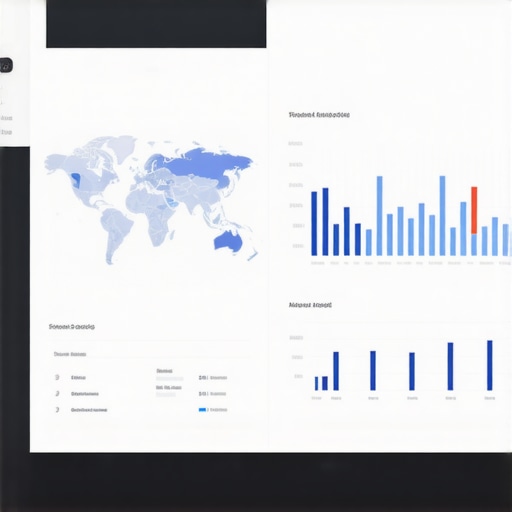
For analytics, I use map ranking analytics tools that provide precise data on your position fluctuations and signal density. These platforms directly visualize where your weaknesses lie—be it in reviews, photos, or local backlinks—so I can target my efforts efficiently. I personally find that regular review of these metrics keeps my local SEO strategy resilient against algorithm updates.
Maintaining visual appeal is also essential. I employ high-resolution image optimization software to ensure my photos are always new and relevant. Periodically updating exterior and interior shots with visual engagement signals helps keep Google’s perception of my local listing fresh and active.
Local citation management is another key area. I recommend tools like BrightLocal or Whitespark—which I personally use—to audit existing citations, fix inaccuracies, and build new high-quality listings. Consistent NAP (Name, Address, Phone Number) data across authoritative directories builds long-term trust and boosts your mappack ranking.
Looking ahead, I predict that AI-driven signals and real-time engagement metrics will dominate the future of maps ranking. To stay ahead, integrating tools that track AI-related signals—like physical storefront scans and voice search activity—will become non-negotiable. Staying aligned with best practices outlined in our cornerstone content is essential for future-proofing your local SEO efforts.
How do I maintain Google Maps rankings over time?
Consistency is key. Regularly updating your profile with fresh photos, responding to reviews, and monitoring different signal points with analytics tools ensures your listing stays relevant. Remember, the digital landscape is constantly evolving—what works today may need refining tomorrow. Embrace advanced tools and keep testing new strategies to maintain your edge. Try implementing monthly signal audits using your analytics platform, and watch how your map visibility solidifies. For comprehensive guidance, visit our effective tactics page.
Some Hard-Earned Truths About Local Maps Success
One lesson I grappled with was realizing that Google Maps rankings are far more sensitive to nuanced signals than I initially believed. Small adjustments, like updating a single photo or refining a service area, can have outsized impacts—so overlooked details add up. I also learned that trying to game the system with shortcuts, such as bulk keyword stuffing, often backfires and diminishes trust. True progress comes from authentic engagement: genuinely responding to reviews, building real local backlinks, and maintaining consistent profile updates. Lastly, I discovered that staying adaptable—keeping up with the latest algorithm trends and integrating emerging signals—keeps your visibility resilient in a constantly shifting landscape.
My Go-To Resources That Elevate My Google Maps Strategy
For staying ahead, I rely heavily on the comprehensive insights in this cornerstone content. It’s packed with proven tactics and future-proof strategies that keep my business visible. I also trust tools like Whitespark and BrightLocal for managing citations effectively, ensuring my NAP data remains pristine. To analyze my rankings and signals, I use specialized map ranking analytics that highlight precisely where improvements are needed. These resources have become my backbone for continuous growth in local search visibility.
Seize the Moment and Shape Your Local Future
Boosting your Google Maps presence isn’t a one-time effort—it’s an ongoing journey. Each tweak, test, and new signal you incorporate helps you stand out and stay ahead of competitors. Remember, your consistent actions and willingness to adapt are what will make you the local favorite. Dive into the strategies shared here, utilize trusted tools, and keep refining your approach. Your next breakthrough could be just a few optimizations away, so take that step forward today!
What’s one local SEO tactic you’re eager to try next? Share your plans below—I love hearing about your journey to map dominance.